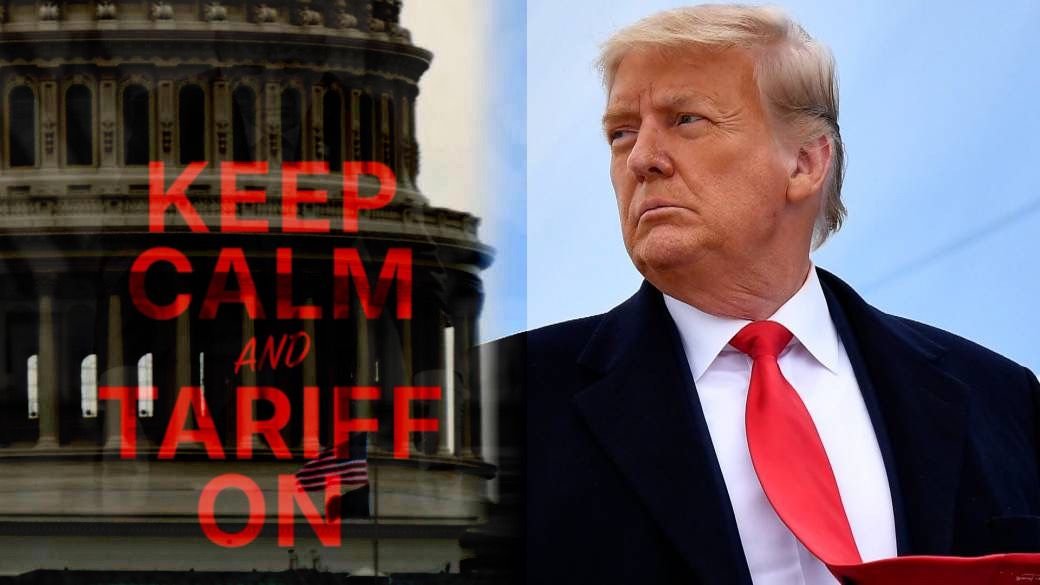
The Supreme Court’s 6-3 ruling on February 20, 2026, in Learning Resources, Inc. v. Trump struck down tariffs imposed under the International Emergency Economic Powers Act (IEEPA), declaring that the law does not authorize the President to impose tariffs. This decision changes nothing fundamental about President Trump’s trade agenda. Within hours, Trump signed a proclamation imposing a new temporary 10% global import duty under Section 122 of the Trade Act of 1974—a never-before-used authority to address balance-of-payments issues, limited to 150 days unless Congress extends it. This sits atop existing duties and replaces much of the invalidated IEEPA regime. The White House official account posted the perfect message: “Keep calm and tariffs are on.”
Justice Brett Kavanaugh, joined by Justices Thomas and Alito in dissent, put it plainly: “the Court’s decision is not likely to greatly restrict Presidential tariff authority going forward. The Court says nothing today about whether, and if so how, the Government should go about returning the billions of dollars that it has collected from importers.”
Democrats and anti-Trump groups missed a key point: several countries had already signed written agreements with specific tariff rates, such as the deal with the UK for a flat 15% tariff. The Supreme Court decision targets only IEEPA-based tariffs. It leaves untouched the bilateral deals locked in with negotiated rates. For example:
– US-UK Economic Prosperity Deal (May 2025): flat 15% tariff framework with quotas and exemptions for autos, steel, and key sectors.
– US-India Historic Trade Deal (February 2026): reciprocal rates reduced to 18% in exchange for India eliminating barriers on US goods and aligning on security issues.
– US-Vietnam Framework Agreement (October 2025): 20% reciprocal rate with zero tariffs on nearly all US exports to Vietnam.
– US-EU Massive Trade Deal (July 2025): 15% ceiling on most goods, plus $600 billion in EU investment and $750 billion in US energy purchases.
– US-Japan Strategic Trade and Investment Agreement (2025): 15% rate with major market access for American exporters.
– US-South Korea Strategic Trade and Investment Deal (November 2025): reciprocal framework preserving key preferences.
– US-China temporary truces : successive reductions from peak levels, keeping pressure on Beijing while talks continue.
None of these negotiated agreements rely solely on IEEPA authority. They stand as binding executive agreements reflecting reciprocal concessions. This is why the “Liberation Day” tariffs were significant. Trump used the pressure from those broad tariffs to secure much better deals with other nations—an unorthodox strategy that proved highly effective. Democrats’ blind celebration of the ruling is no surprise; they have never understood Trump’s strategy. That has been their problem from the beginning. It’s why Trump is in office not once but twice—he has always been at least 10 steps ahead, and they still haven’t figured out how he won over working-class voters.
Even if courts later challenge the new Section 122 tariffs, Trump has multiple alternative statutes ready: Section 301 for unfair trade practices, Section 232 for national-security threats (steel, aluminum, and autos remain untouched), and at least 20 other laws granting presidential trade authority. Kavanaugh’s dissent explicitly mapped these pathways forward.
Singapore Prime Minister Lawrence Wong saw this shift coming months ago. He stated that global trade is changing and the WTO era is no more. Wong is one of the few leaders who truly understands the gravity: Trump tariffs are not going anywhere. They are now way too complicated to remove—tied to a web of trade agreements, adaptations to the new reality, and so many legal possibilities to override any challenge. Almost all nations have already accepted the changes.
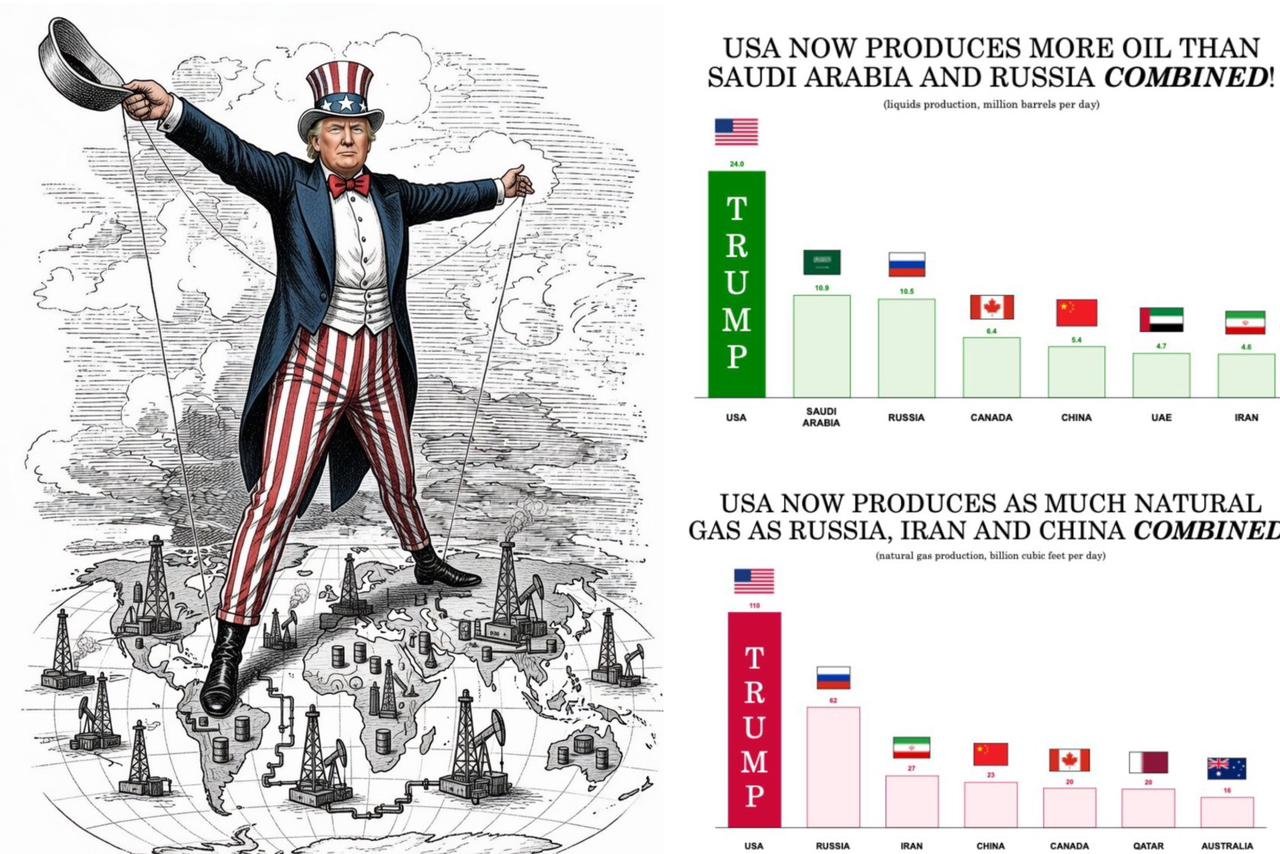
America endured decades of unfair trade—with allies and adversaries alike. Every previous administration knew it but preferred polite requests over real leverage. Trump is the message from American voters. They were done asking nicely. He was elected in 2016 for this reason. He was re-elected for this reason.
Trump tariffs are now our reality. The world must adapt, negotiate fair two-way deals, and accept that the largest, most irreplaceable market on earth will no longer tolerate one-sided barriers. Trade is reciprocal—or it isn’t trade at all. The era of America absorbing everyone else’s tariffs while opening its doors wide is over.