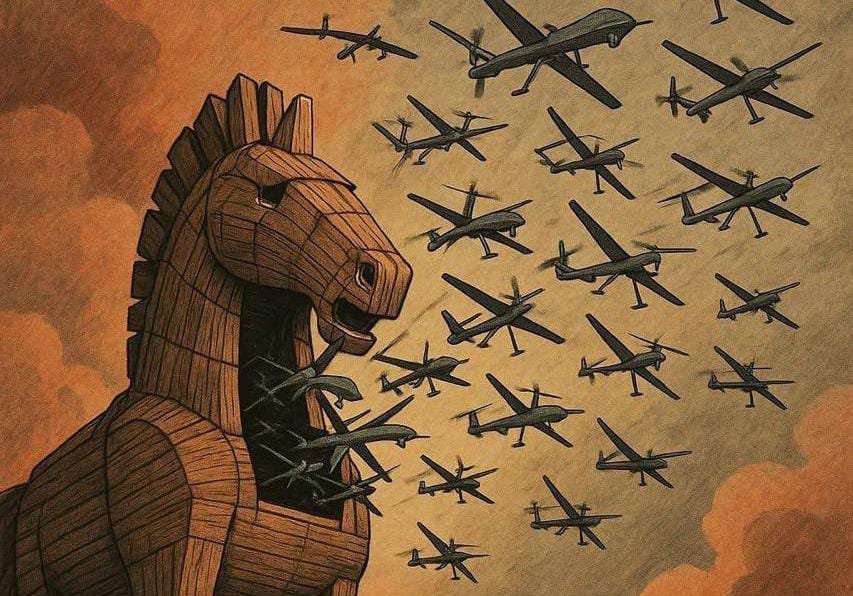
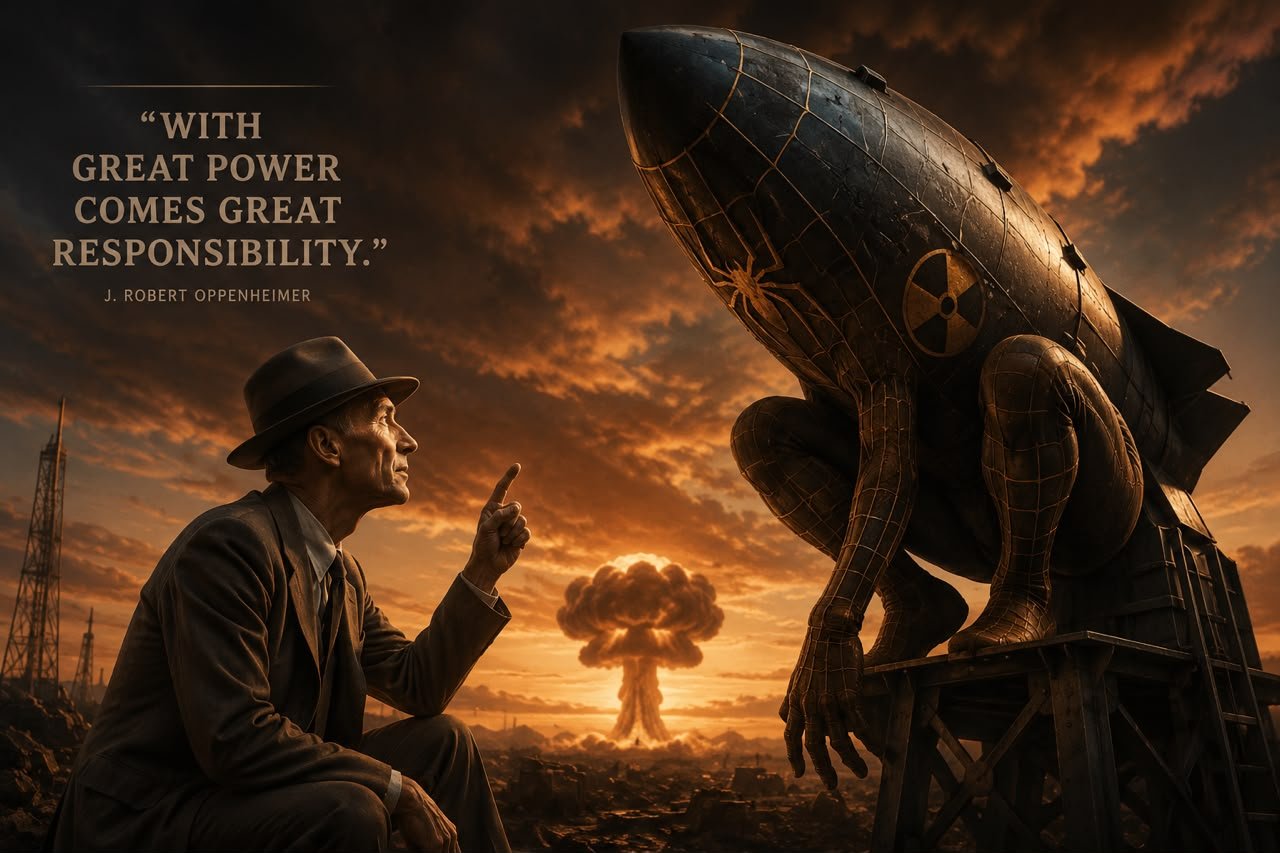
In today’s world, nuclear weapons are not just about power – they are about responsibility, deterrence, survival, and the huge risks some nations pose to all of humanity. There are nine countries with nuclear warheads: The United States, Russia, United Kingdom, France, China, Israel, India, North Korea, and Pakistan. Each has its own policy, history, and way of handling this ultimate weapon. But not all are the same. Some act with restraint and use it purely for defense and stability. Others create constant danger through extremism, lack of transparency, or aggressive ambitions. Some deserve power, while others do not. As Peter Parker’s uncle famously said, “With great power comes great responsibility.” We must compare these nuclear actors honestly.
United States – The First Nuclear Superpower and a Model of Long-Term Responsibility
The USA was the first to develop and use nuclear weapons, dropping them on Japan in 1945 to end World War II. Yes, it was devastating – no one celebrates the loss of innocent lives. But bombs forced surrender and prevented a bloody invasion that could have killed millions more on both sides. Importantly, after that, when America was the only nuclear superpower for years, it did not exploit this advantage to conquer or dominate the world. During the early Cold War, even before the USSR had nukes, the US acted responsibly. Today, US nuclear policy focuses on deterrence, modernization, and alliances for defense not threats to wipe out nations. People who say “US used them so they can’t lecture others” are being lazy. History shows restraint when it mattered most. I must also add that U.S. President Harry S. Truman warned Japan in advance about the consequences of refusing to surrender. He made the situation clear and offered Japan an honorable path to end the war with dignity. He also stated that the United States had no territorial ambitions in Japan and that Japan’s sovereignty would not be jeopardized. That was presented as a clear and honorable opportunity to surrender. However, the Japanese government chose to reject it. Only then did the United States resort to its ultimate military power.
So same old oversimplified and idiotic argument of US did this and that not going to work in an honest conversation.
Russia’s Nuclear Policy – Modern Aggression and Broken Promises
Russia (as the successor to the Soviet Union) has a massive arsenal. Its policy has become more aggressive in recent years, with threats and modernization. The invasion of Ukraine highlights the problem. However, overall, Russia and the Soviet Union generally acted as more responsible nuclear powers than some other states with smaller arsenals. That is worth acknowledging. They came dangerously close to nuclear conflict during the Cuban Missile Crisis, but their overall record deserves some credit.
At the same time, they demonstrated serious incapability in their handling and maintenance of nuclear technology. Although a nuclear reactor is not the same as a nuclear warhead, it carries an even greater responsibility because of its civilian use. They made numerous critical mistakes in the design, operation, and management of their reactors, culminating in the Chernobyl disaster. However, the rapid response including containment of the threat, recovery efforts, and overall disaster management was remarkable and deserves to be remembered.
Ukraine – The Responsible Actor That Gave Up Its Arsenal
This is one of the most important stories. After the Soviet collapse, Ukraine inherited the world’s third-largest nuclear arsenal. They could have kept it. Instead, through the Budapest Memorandum in 1994, Ukraine gave up all its nuclear weapons in exchange for security assurances from the US, UK, and Russia. They acted with incredible responsibility – they did not threaten the world, they chose peace and denuclearization. Yet Russia betrayed those promises by invading in 2014 and full-scale in 2022. Ukraine faced existential war without nukes, yet they never used the past arsenal aggressively. Compare this to countries that cling to or seek nukes while issuing threats. Ukraine proves responsible nations can give them up. They deserve respect for that.
UK and France – Mature Deterrence for Safety, Not Aggression
The United Kingdom and France have nuclear weapons as part of NATO and national defense. Their policies are defensive, focused on deterrence against major threats. They have never threatened to wipe out other countries or used nuclear rhetoric aggressively. They act as responsible Western democracies, contributing to stability in Europe. No expansionist ambitions, no support for terrorists with nukes.
China – Growing Arsenal but Relative Responsibility So Far
China has expanded its nuclear forces significantly. There are concerns about transparency and long-term ambitions. But compared to others ( North Korea, Pakistan and Nuclear wannabe Iran), in this period, China has not engaged in the same level of open threats to erase neighbors or sponsor global terrorism with nuclear risk. They act more cautiously on the nuclear front. Still, the world needs to watch their buildup carefully. The authoritarian regime can be dangerous when it comes to its long-term ambitions and expansionism in the South China Sea and South Asia. At the same time, they are backing irresponsible actors to act recklessly.
India – Responsible Nuclear Power in a Tough Neighborhood
India developed nukes in response to regional threats. Their policy is generally responsible – no first-use declared in many contexts, focused on deterrence against China and Pakistan. India does not threaten to destroy entire nations or export extremism. As a democracy with a huge population, they handle this power with restraint.
Israel – Existential Deterrence Against Constant Threats
Israel faces unique circumstances. Since 1948, and through wars in 1967, 1973, and ongoing, its neighbors and Iran have repeatedly called for its destruction. Iran does not hide its desire to “wipe Israel off the map.” Israel has never officially declared its nuclear capability (policy of opacity), but it is widely believed to possess them as a last-resort deterrent for survival. Israel has never used them aggressively or threatened others unprovoked. They use this power responsibly to ensure a tiny nation with a history of near-extinction can exist in peace. Their restraint despite constant existential threats is admirable.
North Korea – Problematic but Contained Risk
North Korea’s regime is erratic and its nuclear tests are provocative. Yet its arsenal is smaller, and the risk of weapons falling to terrorists seems lower than in less stable states. It is a major problem, but somewhat isolated. Also, it is clear that North Korea is a satellite state of China, and the Chinese Communist Party (CCP) leadership understands the consequences if its “bulldog” were to make a major nuclear mistake. China is known for its long-term strategic calculations, and it is unlikely to allow the DPRK to use nuclear weapons simply because Kim Jong Un wants to.
It is more of a show, as communist North Korea has often proven that it values propaganda and public image above almost everything else. Kim Jong Un has sought to portray himself as a strongman in Asia. While this is a concern, at this point it is one of the lesser issues to worry about.
Pakistan – Dangerous First Use oriented policy and Extremism Risks
Here we have serious problems. Pakistan has a first-use nuclear policy – meaning they are ready to use nukes even if the other side hasn’t. This is very dangerous in a region with tensions against India. Pakistan is not a stable democracy like others; it has significant Islamist extremist elements. The risk that nuclear materials or technology could fall into terrorist hands is real and well documented. This creates massive risk for billions. The world should never have allowed this situation to develop so freely. A first use doctrine in such a context puts the entire region, and potentially the world, in danger.
Iran – The Worst Possible Candidate for Nuclear Weapons
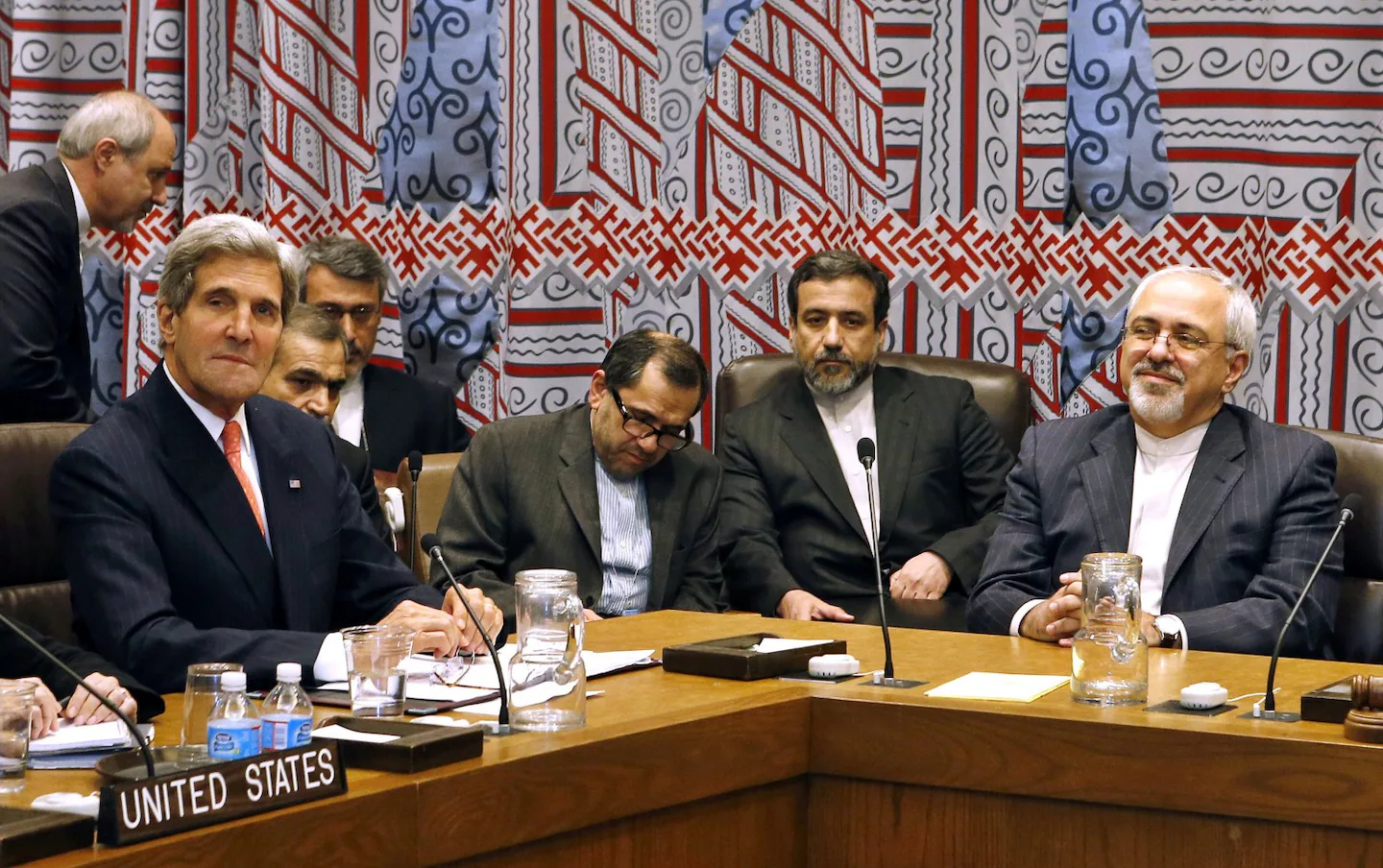
Iran does not even have nuclear weapons yet (as far as confirmed), but its ambitions are the most frightening. They are unlikely to give up highly enriched uranium. The clerical regime attacks neighbors, supports proxies across the region, fires ballistic missiles, and openly calls for destroying Israel, America, and others. They threaten to occupy Jerusalem and destabilize the Gulf. Imagine a nuclear Iran – they could use it or hand technology to terrorists. Their behavior in recent conflicts shows zero restraint. Compared to responsible states, Iran is the absolute worst candidate. The world made a mistake letting Pakistan go nuclear with its risks. We cannot repeat it with Iran. Responsible nations must prevent it at any cost – Military might, diplomacy, sanctions, whatever it takes. A barbaric clerical regime with nukes would be a total disaster for humanity.
The Big Picture and Lessons
Responsible nuclear powers (US, UK, France, India, Israel) use these weapons for pure deterrence and survival. They faced threats but never weaponized them for global jihad or wiping out states. Ukraine showed the world can trust responsible actors who give them up. Pakistan’s first use policy and extremism links create ongoing danger. North Korea is wild but contained. Iran. The biggest red flag. Unacceptable under any circumstances.
Nuclear weapons in responsible hands deter war and protect the innocent. In irresponsible hands extremist regimes threatening destruction or supporting terror – they endanger billions. The international community must prioritize preventing proliferation to dangerous actors like Iran while acknowledging the legitimate security needs of threatened democracies. We cannot be naive. History shows the difference between restraint and recklessness. The world has enough problems already. It is also important to note that not all countries share the same priorities. Some prioritize prosperity and place a high value on human life. Others promote the belief that becoming a martyr is the greatest achievement a person can attain. We need to see these differences and take that in to account.