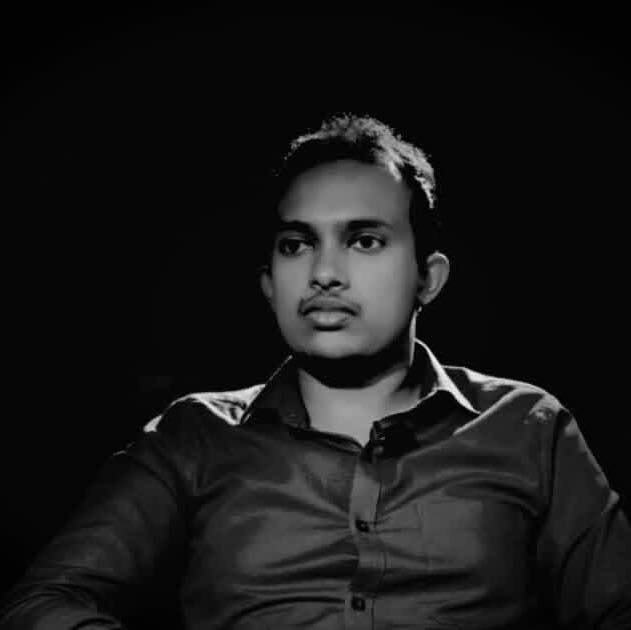
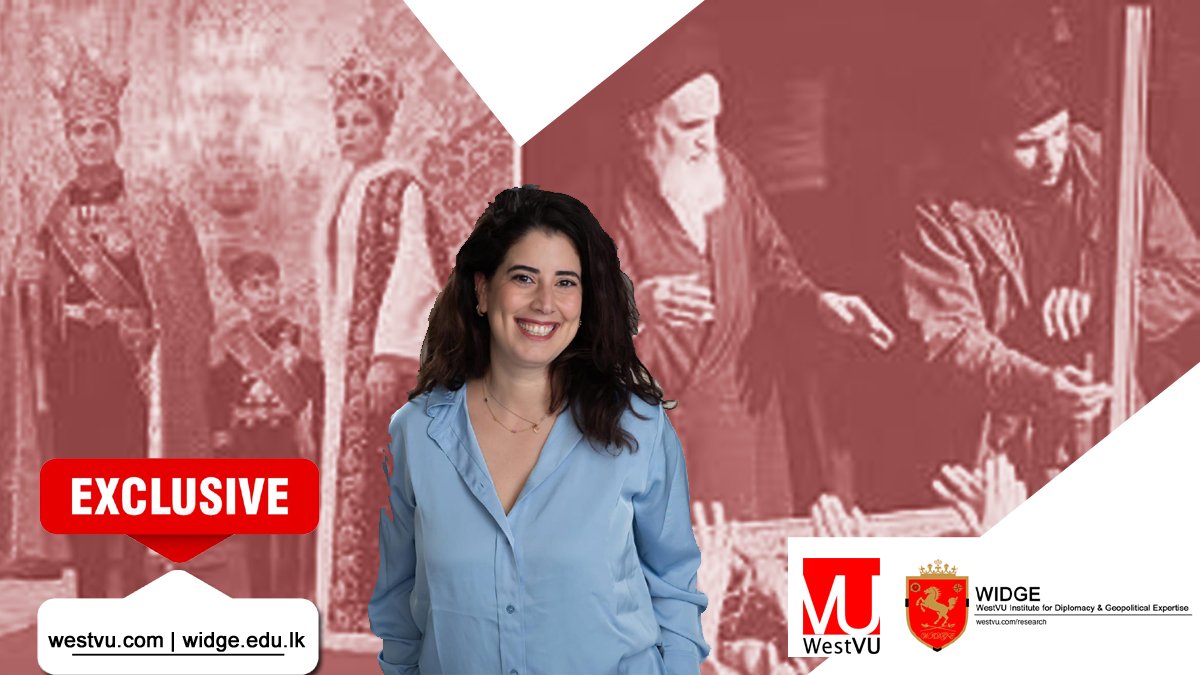
I had the privilege of interviewing Dr. Lauren Dagan Amoss, a prominent researcher specializing in India’s foreign and security policy with a strong regional focus on the Indo-Pacific. She is a fellow at the Begin-Sadat Center for Strategic Studies (BESA), a lecturer at Bar-Ilan University, and a valued member of the Deborah Forum, which promotes greater participation of women in Israel’s foreign and defense policy community.
In our wide ranging and insightful conversation, Dr. Dagan Amoss shared thoughtful, optimistic, and deeply informed perspectives on the evolving global landscape. We began with the rising relationship between Israel and India, moved on to exciting opportunities for Sri Lanka, discussed the current situation in Iran, and concluded with a message about the situation in Israel.
The Rising Israel-India Relationship: A Historic Teaming Up of Democracies
We started our conversation by focusing extensively on the growing strategic partnership between Israel – the Startup Nation ( Many global companies, including NVIDIA, now consider Israel their second home for innovation and collaboration.) and India – the world’s fastest growing major economy.
I asked Dr. Dagan Amoss how she feels about this relationship and what key factors have driven the elevation of Israel-India ties to a “Special Strategic Partnership for Peace, Innovation, and Prosperity” , especially in defence, AI, and technology.
Dr. Dagan Amoss described this deepening relationship as one of the most significant strategic team ups of our time. She highlighted Prime Minister Narendra Modi’s February visit to Israel as a truly pivotal and historic moment.
“It feels like long ago due to the dramatic events that followed,” she told me, “but this visit was crucial not only for Israel and India but for the broader world.”
She expressed strong optimism and admiration for Prime Minister Modi’s leadership and his inspiring speech during the visit, including his address to the Knesset. In her view, the visit revealed decades of quiet cooperation while openly marking a major strategic reset.
We discussed at length how this partnership represents a doctrinal shift: moving away from a purely procurement-based defence relationship toward deep systems integration, where India serves as Israel’s “strategic rear.”
Dr. Dagan Amos elaborated on the key drivers behind this elevation. She pointed to defence co-production, joint development in AI, quantum computing, semiconductors, digital public infrastructure (DPI), and enhanced supply-chain resilience. These areas have become especially important amid saturation threats such as drones and multi-domain attacks.
She emphasized that frameworks like IMEC and I2U2, along with a potential Free Trade Agreement, go far beyond economics, they are foundational to national resilience and technological sovereignty for both countries.
We also focused on how this partnership builds on shared democratic values and strategic interests. Dr. Dagan Amoss noted that prior to Modi’s leadership, relations existed but were often kept discreet. Modi brought them into the open, viewing Israel not merely as a weapons supplier but as a true strategic partner. Both nations face similar security challenges and can benefit enormously from sharing information, developing capabilities together, and cooperating in areas such as energy, cybersecurity, and artificial intelligence.
She praised the multi-dimensional nature of the relationship, stressing that a strategic partnership today cannot rely on a single domain. “Multiple dimensions are required to ensure sustainability and relevance in a globalised world,” she observed. Her optimism was clear. She sees this as a force multiplier for both vibrant democracies.
Opportunities for Sri Lanka-Israel Ties: Mutual Partnership, Not Aid — Towards a Trilateral Future
We then turned our attention to Sri Lanka and the potential for stronger ties with Israel. I noted that Israel, India, and Sri Lanka are the only three nations in Asia with an uninterrupted history of consistent multi-party democracy and regular elections. Sri Lanka was also one of the earliest countries to recognize the State of Israel.
Dr. Dagan Amos agreed wholeheartedly and saw significant opportunities for expansion in agriculture, advanced technology transfer, water management, tourism, people to people connections, labour mobility, and defence cooperation.
She particularly emphasized the importance of viewing Sri Lanka not as a recipient of aid but as a mutual partner and trader. This pragmatic approach, she believes, will deliver real and lasting value.
This point strongly resonated with me, as I have advocated for years to Sri Lankan policymakers that we should pursue relationships based on mutual benefit. Dr. Dagan Amoss reinforced this view powerfully. She highlighted how Sri Lanka can draw valuable lessons from India’s successful engagement with Israel.
We also explored the exciting possibility of a trilateral Israel-India-Sri Lanka friendship. Dr. Dagan Amoss believes such cooperation could amplify benefits for all three nations. She spoke warmly about the rising Israel-Sri Lanka relationship and expressed genuine enthusiasm for making future visits to Sri Lanka.
Current Iran Situation and Future Prospects
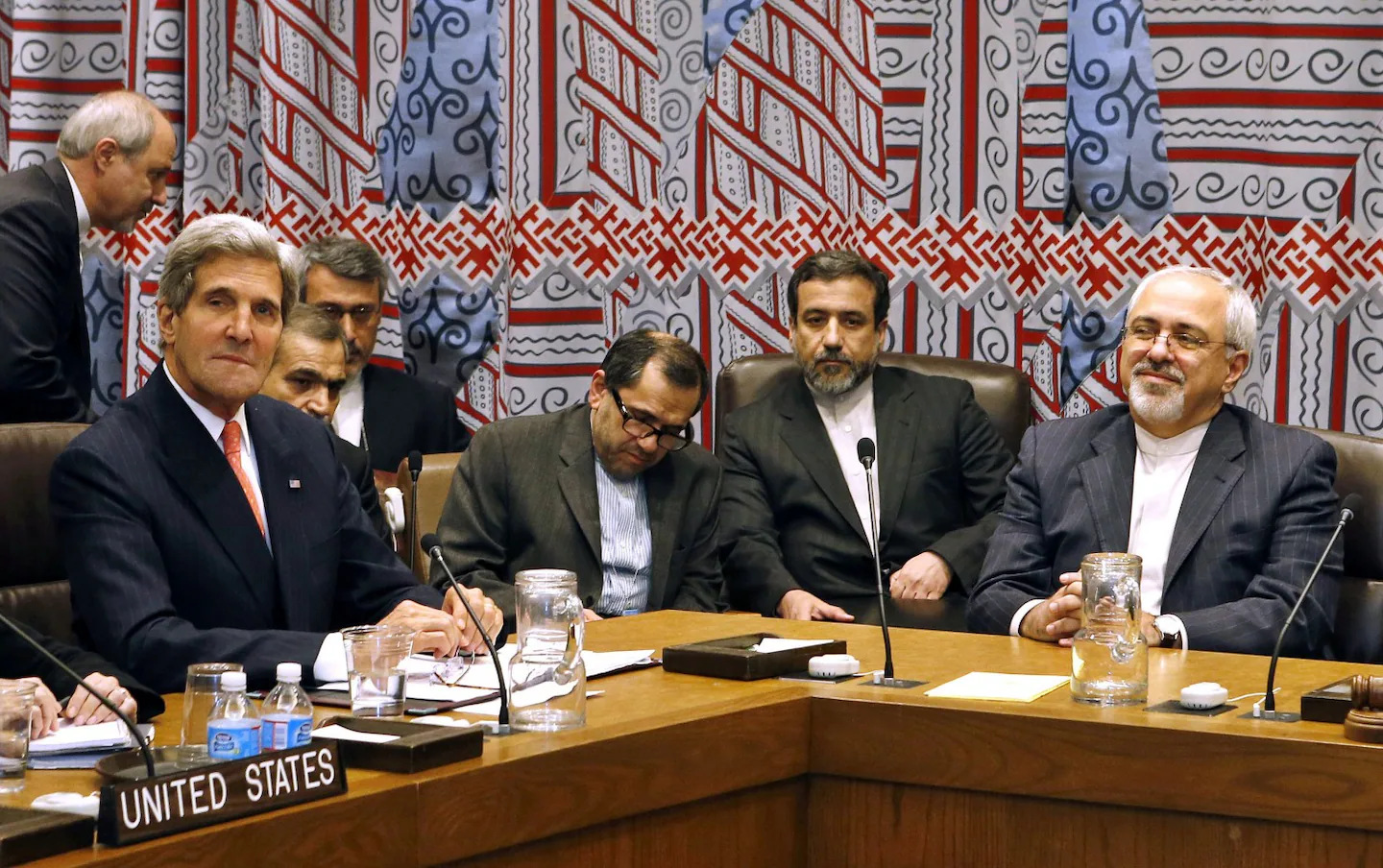
Dr. Dagan Amoss provided a clear assessment of the 2026 Israel-US strikes on Iran, noting the regime’s significant weakening, including major degradation of its missile capabilities, proxy networks, and broader military infrastructure.
Looking ahead, she shared a deeply personal and hopeful vision: “One day I hope to visit Iran with my son, explore its beautiful cities, and meet its people.”
This is the broader sentiment across Israel. Genuine affection for the Iranian people and hope that, after the fall of the current terror regime, friendly ties can be restored, reminiscent of the warm pre1979 relationship and the ancient bond under Cyrus the Great.
Safety, Resilience, and Confidence
At the end of our interview, I specially asked Dr. Dagan Amoss about the current situation in Israel. This question was very important to me personally, as I have many Israeli friends including Dr. Amoss herself and I know thousands of Sri Lankans have family members there.
She offered warm, reassuring, and heartfelt words: Israel remains safe thanks to robust security measures that have been put in place. Israelis continue to live their lives fully. The resilience of our people is unbreakable,” she affirmed.
Dr. Dagan Amos greeted Sri Lankans warmly and expressed appreciation for the strong people to people connections that already exist between our two countries. Her message was clear and comforting: despite the challenges, daily life in Israel proceeds with determination, normalcy, and an inspiring spirit. This reassurance, I believe, will bring great confidence and peace of mind to Sri Lankan families with loved ones in Israel.