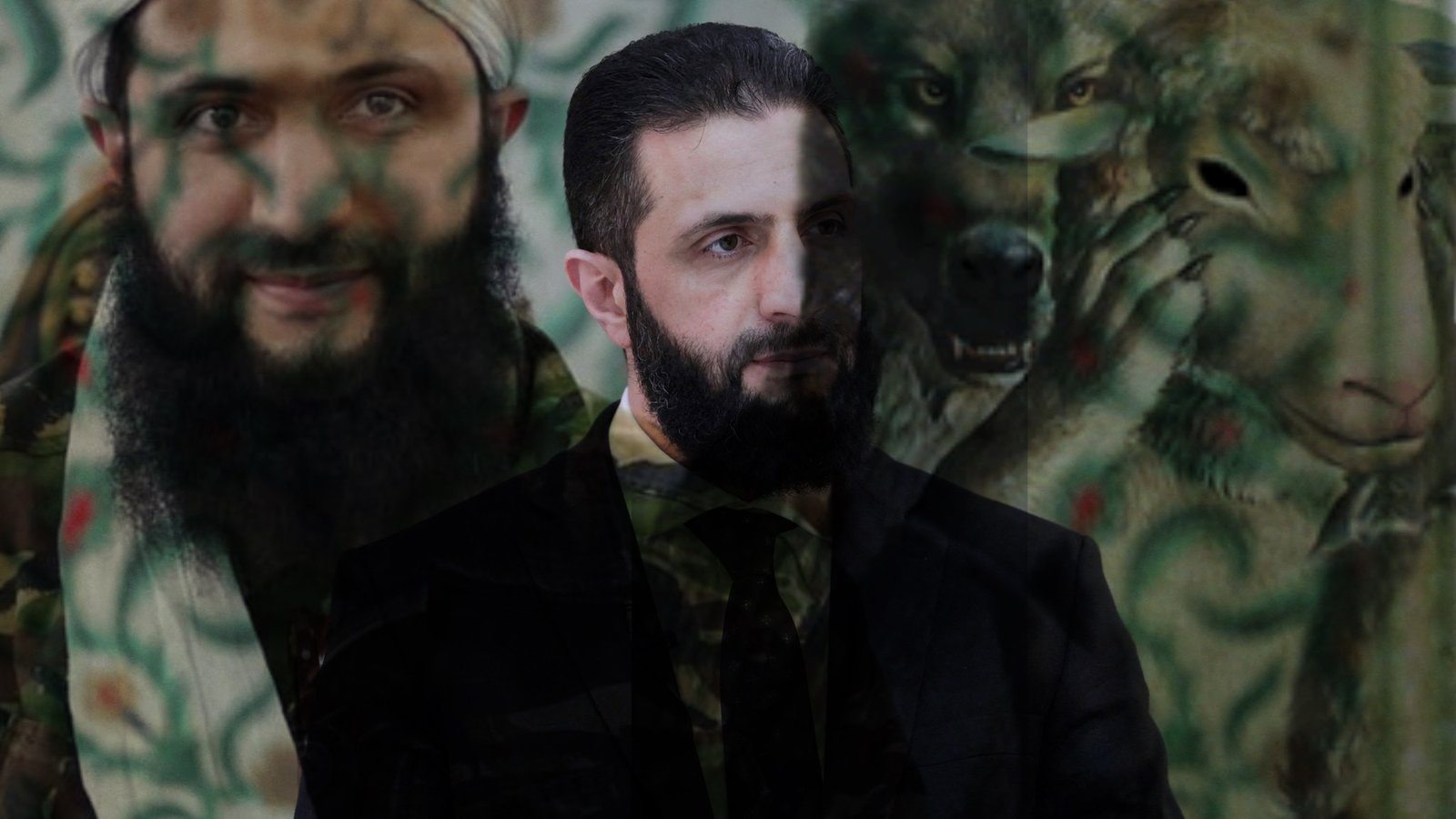
So-called President Ahmad al-Sharaa—better known as Abu Mohammad al-Jolani, a former al-Qaeda affiliate who rebranded his jihadist group Hay’at Tahrir al-Sham (HTS) into a governing force—is no saint. People with common sense knew this reality from the beginning. And the latest events in Syria, those atrocities and crimes against the Kurdish community, the Druze community, and the Alawite community, are proving it with blood. So it’s clear. Jolani should never be fully trusted, but he can be worked with selectively for a specific reason, which is the relocation of Syrians from Europe to Syria. However, his past actions must always be factored in, serving as a reminder of the risks involved.
Jolani’s militias have a history of spreading terror against minority communities, particularly the Druze. We’ve seen this play out multiple times, including in 2015 when HTS-linked fighters massacred at least 20 Druze villagers in Idlib province, and more recent clashes in 2024 amid the chaos of Assad’s fall, where Druze communities in Sweida faced threats and violence from advancing Islamist groups.These incidents aren’t anomalies; they’re testaments to HTS’s sectarian tendencies, even as Jolani now preaches unity.
Similarly, Jolani’s treatment of the Kurds is an obvious red flag. He publicly claims that Kurds are an integral part of Syria’s fabric, but his agenda and groundwork tell a different story. HTS has clashed with Kurdish forces in northern Syria, and under Jolani’s rule, there’s been systematic exclusion of Kurds from political processes in areas HTS controls. Reports from human rights groups like Amnesty International highlight forced displacements and discrimination against Kurds in HTS-held territories, contradicting Jolani’s rhetoric of inclusivity.
This duplicity shows why the United States and the West must not abandon the Syrian Democratic Forces (SDF). Far from being “expired,” the SDF is more necessary now than ever. It must remain separate, and strengthening it—through military aid, training, and diplomatic support—is essential to counterbalance Jolani’s influence and protect Kurdish autonomy.
Rewinding to about a year ago, when the Assad regime began to crumble in late 2024, the smartest move came from Israel. Unlike the hesitant West, Israel grasped HTS’s true motives and original jihadist roots. Israeli forces bombed Assad’s naval and air force assets relentlessly as his soldiers shamefully surrendered and fled. This proactive strike ensured that chemical weapons factories, naval vessels, and fighter jets didn’t fall into the hands of HTS or other militias. Unfortunately, some grossly incompetent Western envoys to the Middle East failed to appreciate this foresight, dithering while risks mounted.
The reality of Syria
Here we are: Jolani is Syria’s president. Yes, he’s evil, rooted in a ideology that once pledged allegiance to al-Qaeda. But under his grip, Syria has achieved some semblance of order, halting the free-fall into total anarchy. The pragmatic path forward is to keep him and his gang in check. That means continued support for the Kurds and the SDF in their pursuit of self-determination, coupled with a sustained U.S. military presence in Syria to deter aggression and maintain leverage.
At the same time, this fragile stability presents an opportunity for Europe. It’s time to leverage the moment to relocate Syrian refugees back to their homeland. Germany alone hosts over 1. 2 million people of Syrian origin, according to 2024 census data, with many arriving during the 2015-2016 refugee crisis. Across Europe, the figure swells to more than 2 million Syrians, including asylum-seekers and resettled refugees, straining resources in countries like Sweden, the Netherlands, and Austria.
Recently, many of these refugees took to the streets in European cities to celebrate al-Sharaa’s ascent and even the reported massacres against the Druze and kurds signaling their alignment with the new regime. They fled Assad, who’s now exiled in Moscow—no longer a threat. With HTS promising stability, these groups face minimal risk in returning.
Remigration of Syrians would be a boon for Europe more than anything else. Many have remained unproductive, with employment rates among Syrian refugees in Germany hovering around 30-40% in 2025, while many rely on welfare benefits. A majority never fully integrated, overwhelming Europe’s welfare systems and burdening taxpayers in Germany and beyond. Collaborating with Jolani could facilitate safe, organized returns, easing this pressure.
However, the West must tread carefully. Dismantling the SDF or handing over ISIS prisons—where thousands of jihadists are held—would be grave miscalculations, risking a resurgence of extremism. Instead, maintain distance while getting things done. Israel sets the example here: dealing with al-Sharaa’s regime by keeping a firm distance, projecting strength, and ensuring threats are held at bay. A much larger buffer zone along the Syrian border is wiser than rushing into normalization, whether under Jolani or anyone else.
Jolani is a necessary evil for now, but trust him at your peril. Work with him on refugee returns, but bolster the Kurds, keep U.S. boots on the ground, and follow Israel’s lead in vigilance. Anything less invites disaster.